

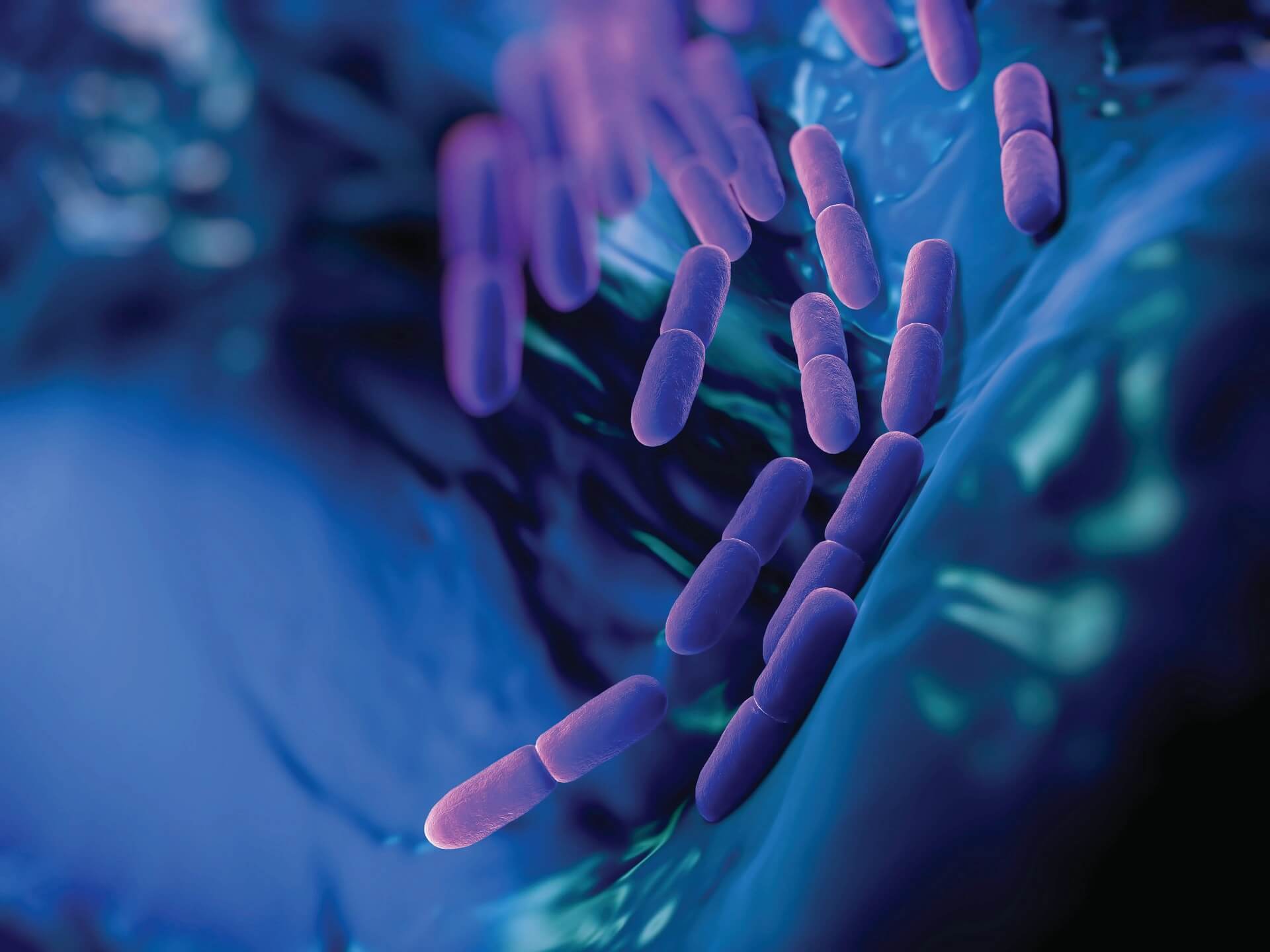
Super Lactobacillus – BARU
This is a complex microorganism colony obtained by mass-proliferating and culturing the seed cells isolated here.
Composition: 22 types of anaerobic and facultative anaerobic bacteria (including lactic acid bacteria), 3 types of yeast, minerals
New natural biomaterial
A new natural biomaterial developed with unrivaled complex fermentation technology.
World's best new material
The world's best new material in terms of technology, viability, economy, and efficacy, and a unique solution.
Complex microorganism colony
Number of viable cells: bacteria 108 CFU/ml or more, yeast 104 CFU/ml or more.
BARU – Solutions
BARU matures and ferments the materials extracted from herbs that are from Korean native herbs and mineral-rich lava seawater from Jeju Island, with unique technology.
Agriculture - Realization of high value-added farming methods
• Soil improvement
• Pest management
• Growth promotiion (stable quality distribution)
• Organic farming/ yield increase
• Shortening the harvest period
Environment – Eco-friendly biological control, industrial deodorant
• Remove the cause of odor
• Sludge decomposition in sewage treatment facilities
• Struvite removal in plant piping by 100% biological treatment
Live-stock - Competitive livestock and fishery
• Growth promotion
• Decrease mortality
• Manure treatment/ odor removal
• Eco-friendly breeding without antibiotics
Composition
| No. | Identification result | Similarity (%) | No. | Identification result | Similarity (%) |
|---|---|---|---|---|---|
1 | Lactobacillus buchneri | 99.7 | 14 | Lactobacillus rhamnosus | 99.8 |
2 | Lactobacillus cacaonum | 99.8 | 15 | Lactobacillus satsumensis | 100 |
3 | Lactobacillus coryniformis | 99.2 | 16 | Lactobacillus vaccinostercus | 99.9 |
4 | Lactobacillus diolivorans | 99.7 | 17 | Lactobacillus vini | 99.8 |
5 | Lactobacillus harbinensis | 99.8 | 18 | Leuconostoc mesenteroides | 100 |
6 | Lactobacillus mali | 99.9 | 19 | Leuconostoc fallax | 100 |
7 | Lactobacillus nagelii | 99.8 | 20 | Weissella cibaria | 99.9 |
8 | Lactobacillus pantheris | 99.8 | 21 | Acetobacter fabarum | 99.8 |
9 | Lactobacillus paracasei | 100 | 22 | Acetobacter tropicalis | 99.8 |
10 | Lactobacillus parafarraginis | 99.9 | 23 | Pichia fermentans | 99.2 |
11 | Lactobacillus perolens | 99.9 | 24 | Candida ehanolica | 99 |
12 | Lactobacillus plantarum | 100 | 25 | Saccharomyces cerevisiae | 99.8 |
13 | Lactobacillus rapi | 99.9 |
| No. | Identification result | Similarity (%) |
|---|---|---|
1 | Lactobacillus buchneri | 99.7 |
2 | Lactobacillus cacaonum | 99.8 |
3 | Lactobacillus coryniformis | 99.2 |
4 | Lactobacillus diolivorans | 99.7 |
5 | Lactobacillus harbinensis | 99.8 |
6 | Lactobacillus mali | 99.9 |
7 | Lactobacillus nagelii | 99.8 |
8 | Lactobacillus pantheris | 99.8 |
9 | Lactobacillus paracasei | 100 |
10 | Lactobacillus parafarraginis | 99.9 |
11 | Lactobacillus perolens | 99.9 |
12 | Lactobacillus plantarum | 100 |
13 | Lactobacillus rapi | 99.9 |
14 | Lactobacillus rhamnosus | 99.8 |
15 | Lactobacillus satsumensis | 100 |
16 | Lactobacillus vaccinostercus | 99.9 |
17 | Lactobacillus vini | 99.8 |
18 | Leuconostoc mesenteroides | 100 |
19 | Leuconostoc fallax | 100 |
20 | Weissella cibaria | 99.9 |
21 | Acetobacter fabarum | 99.8 |
22 | Acetobacter tropicalis | 99.8 |
23 | Pichia fermentans | 99.2 |
24 | Candida ehanolica | 99 |
25 | Saccharomyces cerevisiae | 99.8 |